Subtotal $0.00

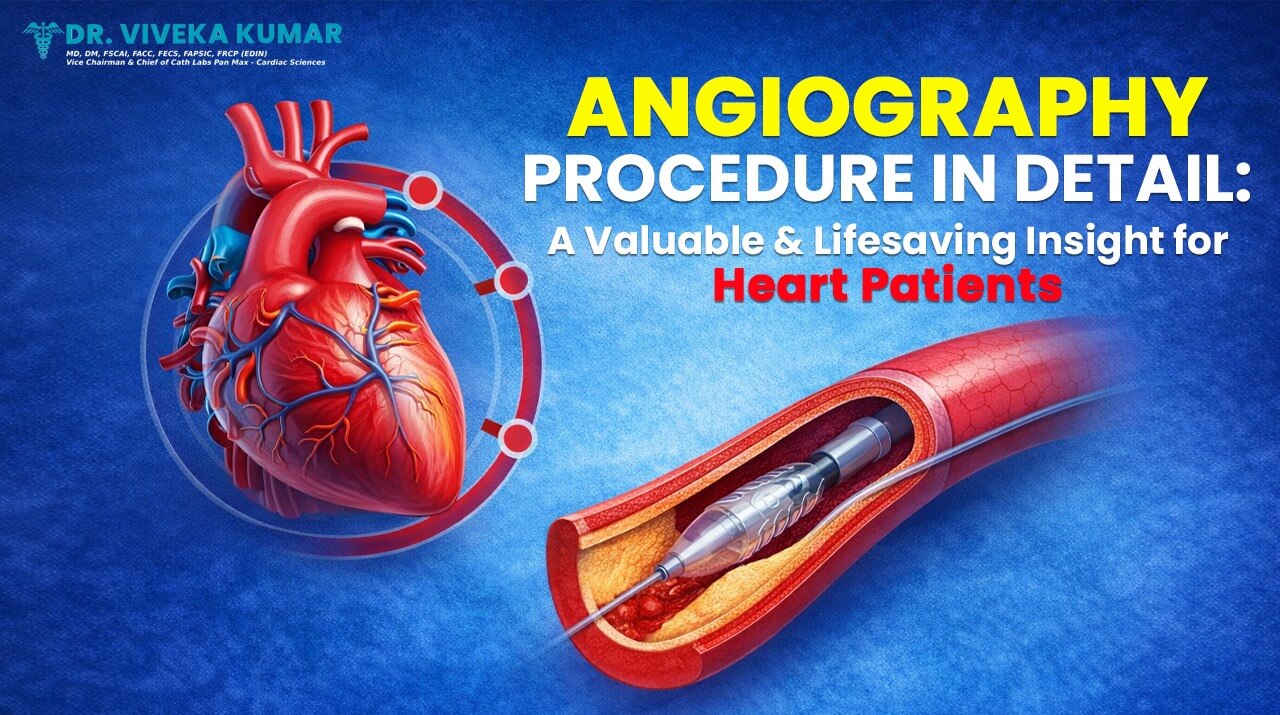
Angiography is often known as coronary angiography to many and is important when examining the heart. It is an advanced form of medical imaging technique which is used to envision the blood vessels and detect any blockages or abnormalities which are causing unhealthy blood circulation in the body. This procedure is extremely vital and considered lifesaving because it helps in diagnosing heart conditions, particularly those which are related to coronary artery disease, and allows cardiologists to take swift action to curate the perfect treatment for the heart problem. In this blog, we will understand the angiography procedure in detail, how it works, when it is conducted, and why it is so important for individuals who are dealing with heart-related issues in an unhealthy body.
What is Angiography?
Angiography is a medical imaging technique that uses X-ray technology combined with a special medical-grade dye, called contrast, to create detailed images of blood vessels. It is conducted for heart patients where the procedure specifically highlights the coronary arteries and the blood vessels that supply oxygenated blood to the heart muscle. The images obtained will help doctors to precisely identify blockages or narrowing in the arteries, which could lead to heart attacks or other cardiovascular complications if left untreated in the future.
How Does Angiography Procedure Work?
The angiography procedure is a minimally invasive procedure and is performed by an experienced as well as highly trained cardiologist. It involves the following steps in the blockage detection process:
1. Preparation:
• Patient monitoring: Before starting angiography the patient is connected to some medical pieces of equipment to monitor heart rate, blood pressure, and oxygen levels throughout the procedure.
• Anesthesia: A local anesthetic is applied to numb the area, usually in the thigh or wrist, where the medical catheter will be inserted into the body.
• Catheter insertion: A thin, flexible medical tube called a catheter is carefully inserted into an artery, often through the wrist (radial artery) or thigh (femoral artery).
2. Injection of Contrast Dye:
Once the catheter enters the blood vessels and reaches the coronary arteries after expert medical direction, a special medical dye is injected through the catheter. This dye makes the coronary arteries become visible on the X-ray images and highlights the flow of blood through the vessels.
3. X-ray Imaging:
As the contrast dye flows through the coronary arteries, X-ray images are taken in real time for future analysis. The dye helps in revealing any blockages, narrowing, or irregularities in the arteries to an expert doctor. These images allow the cardiologist to see where the blood flow might be restricted, which could indicate the presence of plaque or other blockages and the level of blockages as well.
4. Diagnosis and Treatment:
Based on the obtained images of the procedure, the doctor can determine if there are any significant blockages that are life-threatening. If necessary, further procedures such as angioplasty or stent placement can be done immediately following angiography to open up the arteries and restore blood flow which is key to maintaining a healthy heart.
When is Angiography Conducted?
1. Chest Pain (Angina):
Patients who experience recurrent and consistent chest pain, known as angina, often undergo angiography to help doctors understand if the pain is due to narrowed or blocked arteries supplying blood to the heart.
2. Heart Attack:
Angiography is often performed in emergencies, like during or after a heart attack, to assess the extent of the damage caused by the narrowing of arteries and identify blockages that may require urgent treatment.
3. Abnormal Results from Other Tests:
If results from non-invasive tests such as an electrocardiogram (ECG), stress test, or echocardiogram indicate possible heart issues, an angiography might be the next step to get a clearer view of the arteries and see the bigger picture of blocked arteries if any.
4. Unexplained Symptoms:
Patients with unexplained symptoms like shortness of breath, fatigue, or dizziness that can be directly related to heart disease are sometimes referred for angiography to learn more about the development of heart disease.
Importance of Angiography for Heart Patients
1. Accurate Diagnosis:
Angiography provides a precise and detailed view of the coronary arteries which is needed by doctors to pinpoint exactly where blockages or narrowing has occurred.
2. Preventative Insight:
By detecting heart issues early in angiography, one can help prevent a heart attack or developing other serious cardiovascular problems.
3. Guided Treatment:
In some cases, angioplasty (a procedure to open up narrowed arteries) or stent placement is performed immediately after angiography to improve heart health.
4. Risk Assessment:
For patients at high risk of heart disease due to family medical history, poor lifestyle, or other health conditions (like diabetes or hypertension), angiography can assess their risk and help plan preventive measures for a healthier future.
The Swift Recovery Process After Angiography
Most patients recover quickly from angiography within a week and some patients are discharged the same or the next day. Recovery involves:
• Monitoring:
Patients are monitored by professional doctors for a few hours after the procedure. If no complications arise, they are usually discharged the same day.
• Rest:
Quality rest is needed for at least 24-48 hours to confirm the incision site (where the catheter was inserted) has healed properly.
• Medication:
Some patients are prescribed blood thinners, cholesterol-lowering drugs, or other medications depending on the findings of the angiography.
• Follow-up:
A follow-up appointment is usually scheduled to study, review and evaluate the results obtained and discuss any necessary treatments or lifestyle changes.
Conclusion: Angiography is a Blessing for Heart Health
To sum up, angiography is a lifesaving medical procedure in modern cardiology that provides doctors with an accurate and clear view of the coronary arteries which helps them precisely diagnose and expertly treat heart conditions that might otherwise go undetected and may be life-threatening. For all heart patients, angiography is more than just a precise diagnostic tool and also a possible lifesaver that shows the most suitable and clearer path to effective treatment and rapid recovery. If you or a loved one are experiencing any symptoms of heart disease which can be chest pain or shortness of breath, it is always beneficial to consult a healthcare professional who can help find relief and prolong optimal heart health.


Comments are closed