Subtotal $0.00

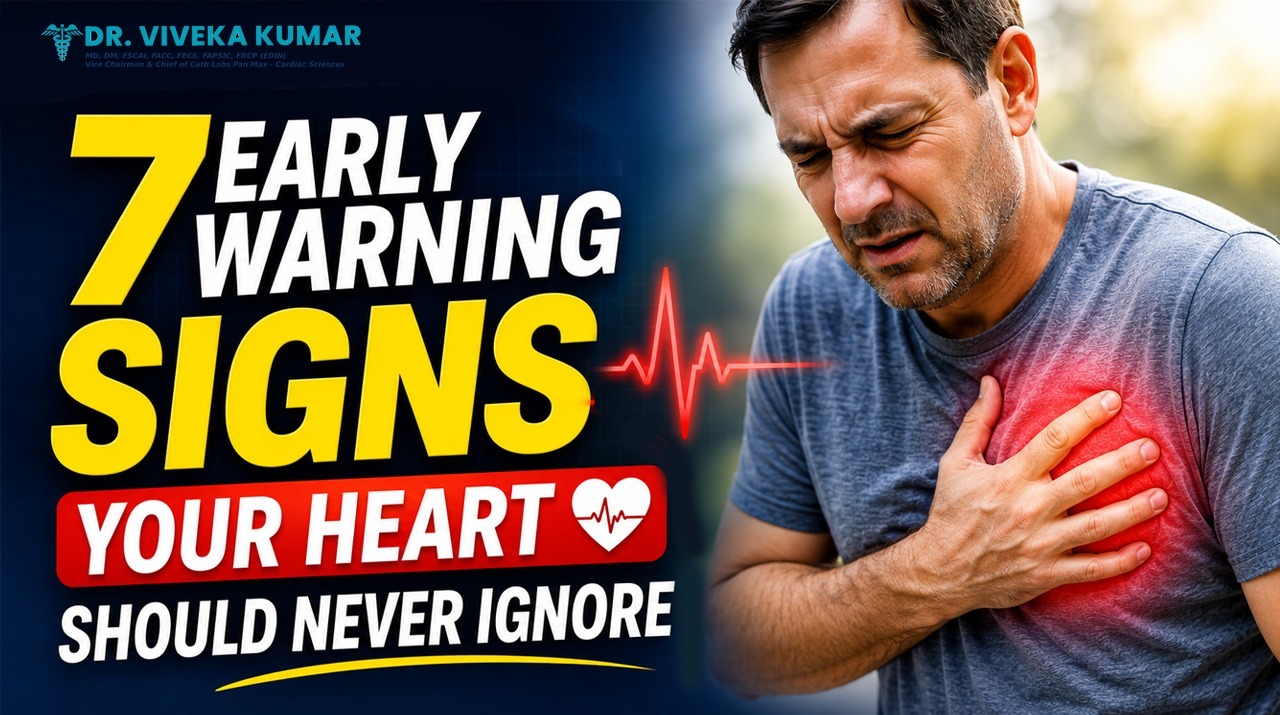
Heart disease often develops gradually, and in many cases, the body gives subtle warning signs long before a major cardiac event occurs. Recognising these symptoms early and seeking timely medical advice can make a significant difference in maintaining long-term heart health.
According to Dr Viveka Kumar, many patients ignore early symptoms because they appear mild, temporary, or unrelated to the heart. However, understanding these signs can help prevent complications and encourage proactive cardiac care.
- Chest Discomfort or Pressure
One of the most common heart-related symptoms is discomfort in the chest. This may feel like heaviness, tightness, pressure, or burning. It may occur during physical activity, emotional stress, or even while resting.
Not every chest discomfort indicates a heart attack, but recurring or unexplained chest pain should always be evaluated by a cardiologist.
- Shortness of Breath
Difficulty breathing during routine activities such as walking, climbing stairs, or even resting may indicate reduced heart function. Many individuals assume this is simply due to ageing or low stamina, but persistent breathlessness deserves medical attention.
Shortness of breath may sometimes occur without chest pain, especially in women and older adults.
- Unusual Fatigue
Extreme tiredness that persists despite adequate rest can sometimes be associated with reduced blood flow to the heart. If daily tasks suddenly become exhausting, it may indicate an underlying cardiac issue.
Fatigue related to heart conditions often develops gradually and is commonly overlooked.
- Pain in the Arm, Jaw, Neck, or Back
Heart-related pain does not always remain limited to the chest. Discomfort may radiate to the left arm, shoulders, neck, jaw, or upper back.
These symptoms can vary from person to person and may appear intermittently. Seeking prompt evaluation can help identify potential cardiac concerns early.
- Swelling in the Legs or Feet
When the heart does not pump efficiently, fluid may accumulate in the lower limbs. Swelling in the feet, ankles, or legs can sometimes indicate heart-related circulation issues.
Although swelling can occur due to various reasons, persistent or worsening symptoms should not be ignored.
- Irregular Heartbeat or Palpitations
Occasional awareness of the heartbeat is common, especially during stress or exercise. However, frequent palpitations, rapid heartbeat, dizziness, or fainting episodes may require cardiac evaluation.
Modern cardiology offers advanced diagnostic tools that help detect rhythm abnormalities early and manage them effectively.
- Excessive Sweating or Sudden Dizziness
Cold sweats, unexplained dizziness, or sudden weakness may sometimes indicate reduced blood flow or cardiac stress. When these symptoms occur alongside chest discomfort or breathlessness, immediate medical attention is important.
Prevention Begins with Awareness
The heart works continuously to support every function of the body. Maintaining heart health requires a combination of regular medical check-ups, balanced nutrition, physical activity, stress management, and avoiding tobacco use.
Many heart conditions can be managed successfully when diagnosed early. Routine cardiac screenings become increasingly important after the age of 35, especially for individuals with diabetes, hypertension, obesity, or family history of heart disease.
A Message from Dr Viveka Kumar
As an experienced cardiac specialist, Dr Viveka Kumar emphasises that awareness and timely action remain among the strongest tools in preventing serious heart complications.
Listening to your body, prioritising preventive care, and seeking professional guidance when symptoms arise can help individuals lead healthier and more active lives.

