Subtotal $0.00

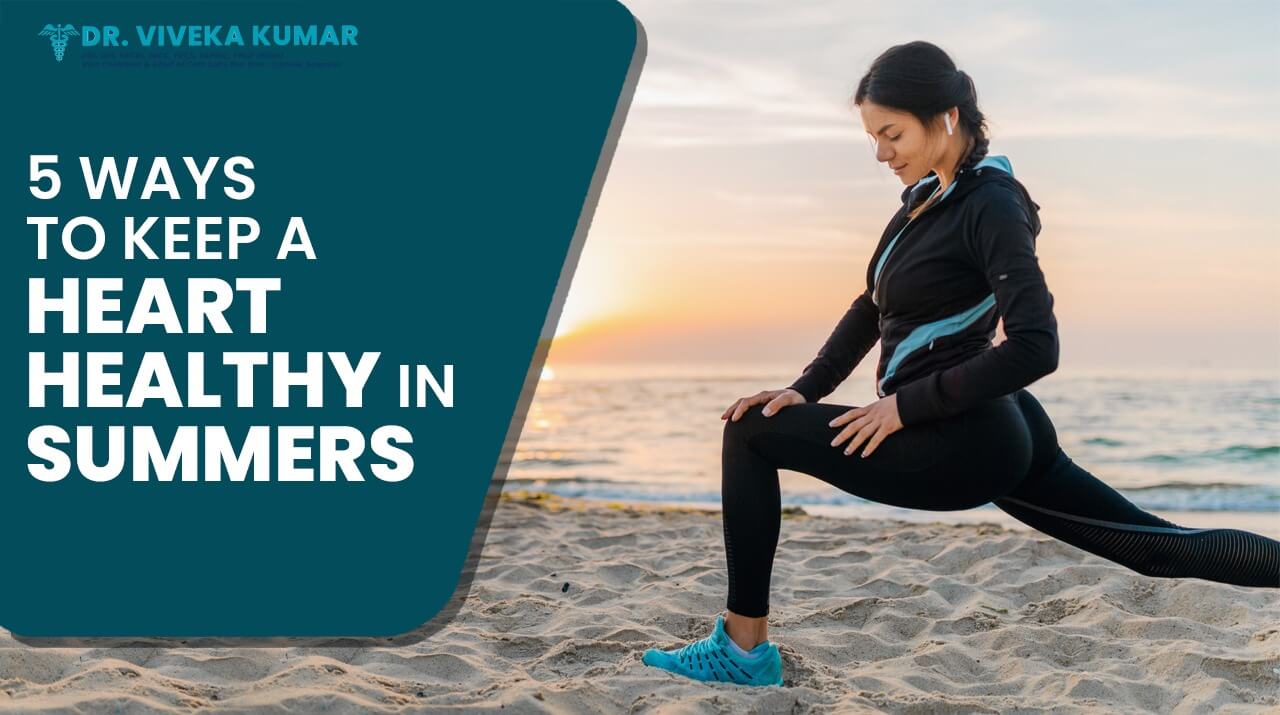
Hot summers can induce heart attacks and strokes in individuals who are at risk of heart disease and it’s important to keep our heart safe when the temperatures rise. The heart has to work a lot harder to cool itself off in hot weather. While exercise is the best medicine, it is important to take some important steps to avoid hot weather heart attacks.
Most hearts can go through the hot summers without skipping a beat. But if you have heart disease, heart failure or blockages or are over 45, it becomes important to take proper precautions. Take extra care if you are overweight, especially if you have increased waist size or have diabetes or high blood pressure. Heart and blood pressure medications can increase the body’s response in the heat and interfere with our heat regulation. They may deplete essential electrolytes leading to quicker dehydration, heat stress and blood pressure changes.
- ENJOY OUTDOOR ACTIVITIES
Early-morning workouts are a wonderful way to get the exercise one need for optimal heart health while enjoying the beautiful sights and sounds of the season. Whether it’s brisk walking, running, or biking, “green exercise” physical activity in natural settings has truly remarkable health benefits, ranging from lower blood pressure and a healthier heart rate to brighter moods and improved sleep.
- EAT HEALTHY FATS NOT TRANS FATS
We need fats in our diet, including saturated, polyunsaturated and unsaturated fats. One fat which one doesn’t need is trans fat, known to increase the risk of developing heart disease or having a stroke over a lifetime. This is because trans fat clogs the arteries by raising bad cholesterol levels (LDL) and lowering good cholesterol levels (HDL). By cutting them from the diet, one can improve the blood flow throughout the body. So, what are trans fats? They are industry-produced fats often used in packaged baked goods, snack foods, margarine and fried fast foods to add flavor and texture.
- FRUITS, VEGETABLES AND HEALTHY ARTERIES
Many fruits and vegetables contain antioxidants and ultimately can help reduce the risk of atherosclerosis, a buildup of fat, cholesterol and other substances on inner walls of arteries. It is recommended to consume at least 4.5 cups per day of fruits and vegetables as part of a healthy lifestyle that can help one avoid risks for heart disease and stroke.
- HYDRATE
Drink plenty of water before, during and after physical activity, or any time to avoid dehydration. For low-calorie flavor, add slices of your favorite fruits such as melon, oranges, berries or even cucumber or mint to a pitcher of water and refrigerate for two hours. Not only does that prevent dehydration, but it can also help you maintain a healthy weight. The researchers found that people who are inadequately hydrated are more likely to be overweight than those who drank ample water and ate fruits and veggies with high water content.
- GET ENOUGH SLEEP
Sleep is an essential part of keeping heart healthy. If one doesn’t sleep enough, than may be at a higher risk for cardiovascular disease no matter what the age or other health habits are. One study looking at 3,000 adults over the age of 45 found that those who slept fewer than six hours per night were about twice as likely to have a stroke or heart attack as people who slept six to eight hours per night. Researchers believe sleeping too little causes disruptions in underlying health conditions and biological processes, including blood pressure and inflammation.
So, take care of your heart and your health this summer to lead a healthy and fruitful life.


