Subtotal $0.00

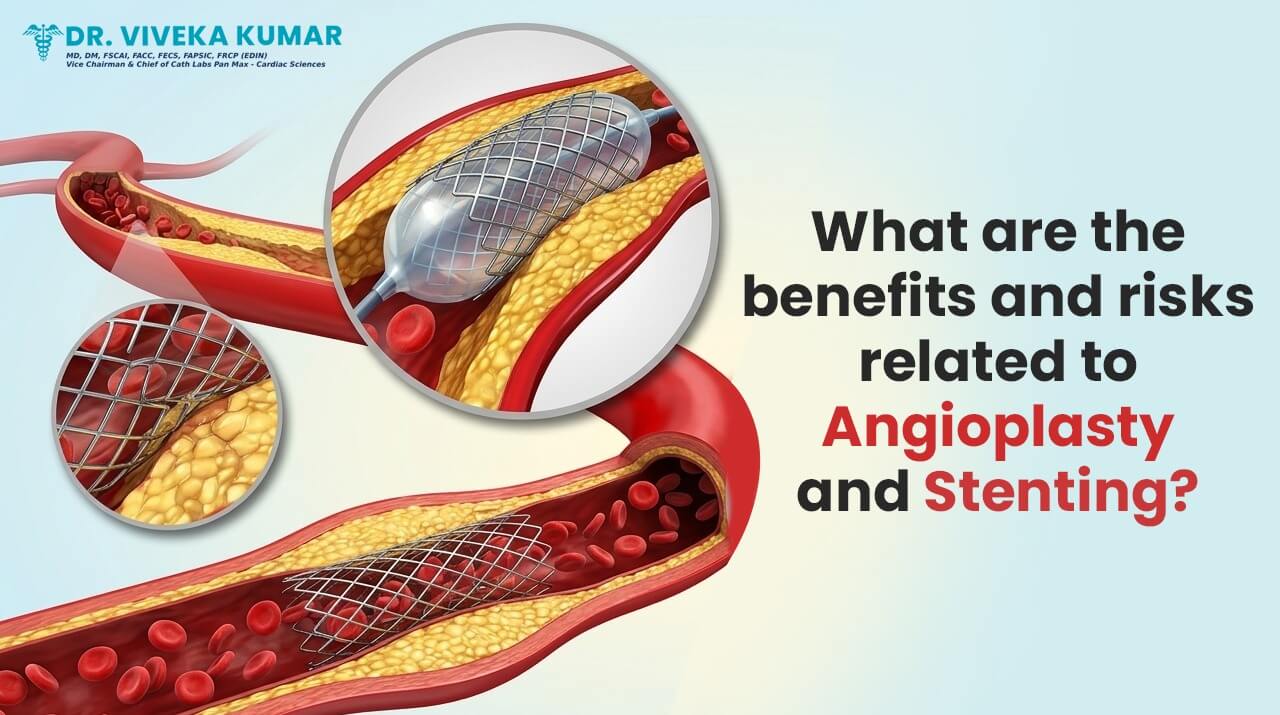
Angioplasty has been useful in treating heart issues, attacks, and strokes. This procedure has saved many lives; it even improves the quality of your lives by minimizing angina and other heart disease symptoms. An angioplasty is a surgical procedure that helps in opening up the blood vessels that supply blood to the heart muscle; blood vessels are known as coronary arteries; this procedure is performed right after a heart attack. The process has another name, Percutaneous Transluminal Coronary Angioplasty; stents help in blood flowing and helps the artery from narrowing down again. Faster you receive treatment for a heart attack, lower are the risk of heart failure.
Benefits of Angioplasty
- It can save your life during a heart attack.
- It restores the blood flow to the heart.
- It even relieves the symptoms such as shortness of breath and fatigue, chest pain, and other symptoms associated with it.
- It can reduce stroke risk.
- Will help the functioning of the kidney.
- It can restore blood flow to legs for preventing gangrene; it eliminates amputation need.
Several patients with blocked arteries can benefit more from open-heart surgery for restoring the blood flow to the heart. Angioplasty and surgery are less invasive in comparison to open-heart surgery, but angioplasty and stenting have their perks associated.
Risks related to angioplasty and stenting
- It has minimal risks associated with it, but they are manageable.
- Damage or blood clot to the blood vessel.
- A blood clot within the vessel treated by PTCA.
- Infection at the insertion site of the catheter.
- Discomfort or chest pain.
- Notify your physician if you are pregnant as radiation exposure during the process may lead to congenital disabilities.
- Inform your physician if you are lactating or breastfeeding.
Risks of stent occur when the patients do not take the prescribed medications. Take medication for a minimum of one month if you have a bare-metal stent. For eluting drug stents, the required medication is at least for a year.


